Gut & Immunity
Anti-Inflammatory Eating: Which Bits Are Real
"Anti-inflammatory" is now a marketing word attached to turmeric lattes and expensive powders. Underneath the noise, there's a pattern with genuine support.
Chronic low-grade inflammation is a real phenomenon and is genuinely implicated in heart disease, type 2 diabetes and several other conditions. This has been seized upon with enthusiasm by an industry that would now like to sell you a golden-milk powder for the price of a decent lunch.
There is no single anti-inflammatory food. There is an anti-inflammatory pattern, and it looks remarkably like every other good diet.
The things with real support
- Oily fish, twice a week. The long-chain omega-3s EPA and DHA are the most robustly supported anti-inflammatory nutrients in the diet. Sardines, mackerel, salmon, herring, anchovies — the cheap ones are as good as the expensive one.
- Extra virgin olive oil. Contains oleocanthal, a compound whose anti-inflammatory action has been compared, in mechanism, to that of ibuprofen. That comparison is often overstated, but the outcome evidence for olive oil is strong on its own terms.
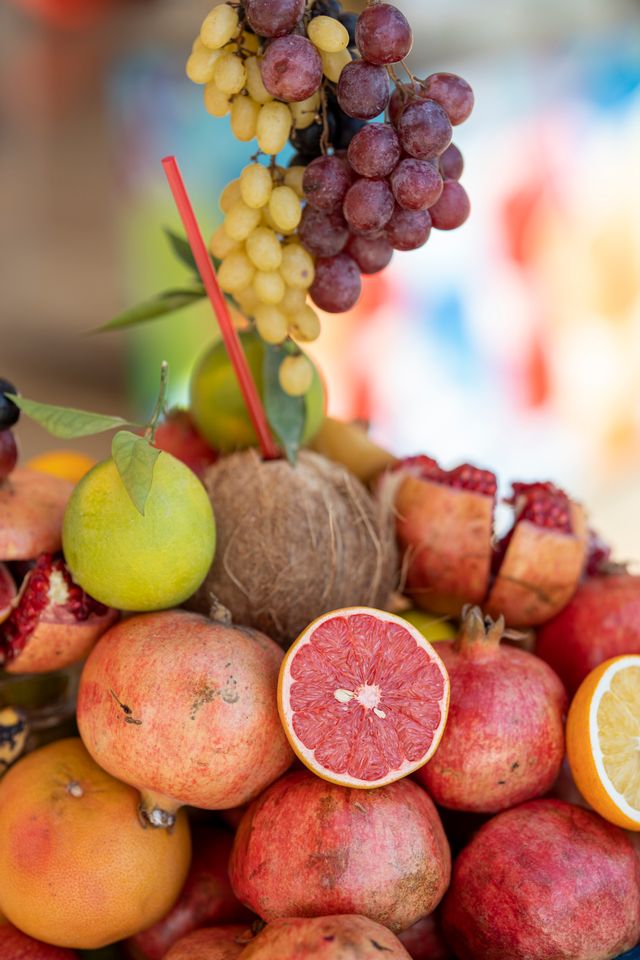
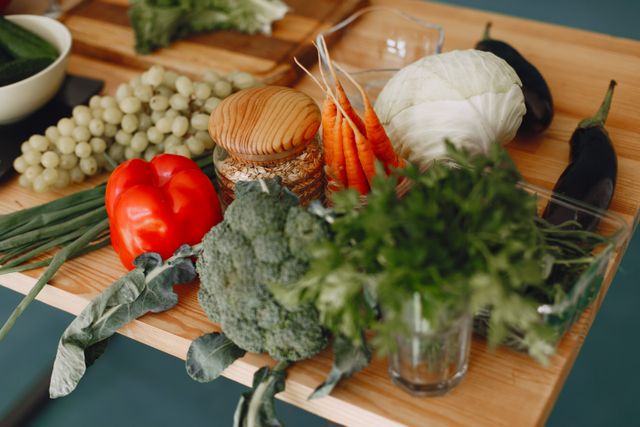
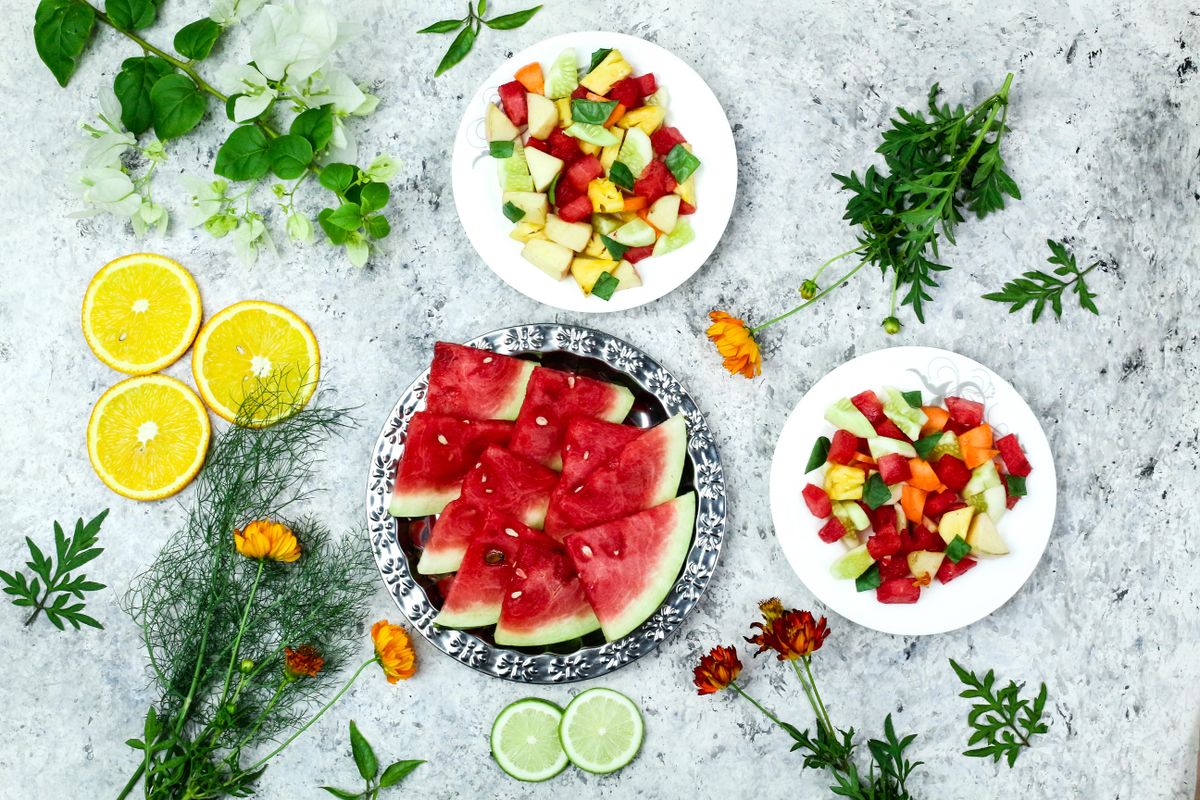
- A lot of plants, in a lot of colours. Polyphenols — the compounds behind the colours of berries, red cabbage, dark leaves, herbs, tea, cocoa — are the workhorses here. Variety matters more than any single one.
- Fibre. Your gut bacteria ferment it into short-chain fatty acids such as butyrate, which have direct anti-inflammatory effects on the gut lining.
- Nuts. A daily handful is associated with lower inflammatory markers.
The things that drive inflammation up
- Excess alcohol.
- A diet dominated by ultra-processed food, refined carbohydrate and sugary drinks.
- Processed meat.
- Excess body fat, particularly visceral fat, which is itself metabolically active and inflammatory.
- Poor sleep and chronic stress — which are not food, and which may be doing more damage than anything on your plate.
What to ignore
Celery juice. Alkaline water. "Detox" anything. Expensive mushroom powders with claims a regulator would never allow on a food label. Elimination diets undertaken without a diagnosis. None of these has meaningful evidence, and some — particularly unnecessary elimination — carry a real cost in nutrition and in quality of life.
A day that actually does it
- Breakfast: Greek yoghurt, mixed berries, walnuts.
- Lunch: a large salad with plenty of olive oil, chickpeas, and as many colours as you can manage.
- Dinner: grilled sardines or salmon, roasted vegetables, barley.
- Drinks: green tea; water; alcohol rarely.
- Snack: a handful of nuts, a square of dark chocolate.
That is the whole intervention. It is not exciting, and it costs less than the powder.
Get one tip like this every Thursday.
Free. Evidence-based. Three minutes to read.