Vitamins & Supplements
Iron Deficiency: The Most Common Nutritional Shortfall in the World
Exhausted, breathless on the stairs, cold all the time? Iron deficiency is easy to miss, easy to test for, and easy to get wrong when you self-treat.
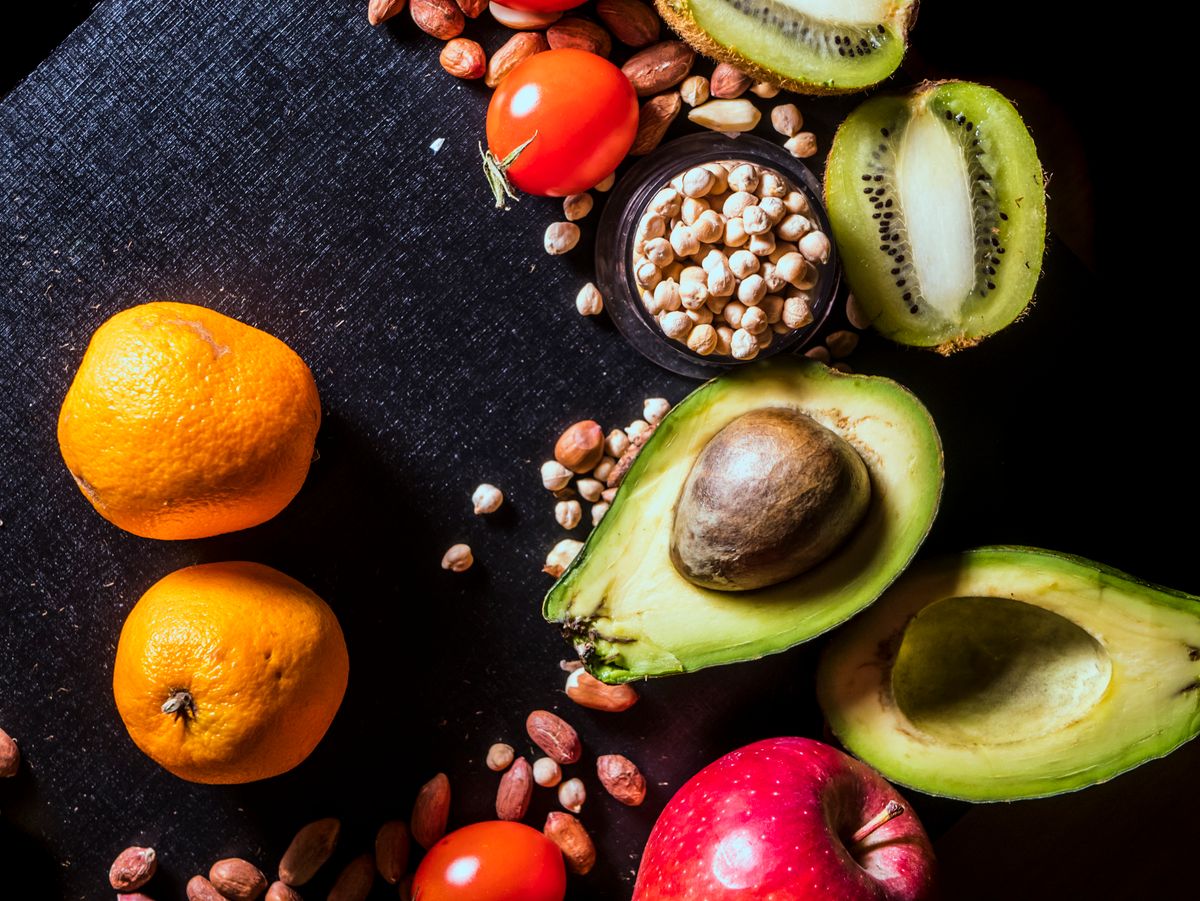
Iron deficiency is the most widespread nutritional deficiency on earth, and it disproportionately affects menstruating women, pregnant women, endurance athletes, vegetarians and vegans, and anyone with a gut condition that impairs absorption.
It is also frequently missed, because the symptoms are easy to explain away as ordinary modern life.
The signs
- Fatigue that sleep does not fix.
- Breathlessness climbing stairs you used to climb easily.
- Feeling cold constantly, especially hands and feet.
- Pale skin, or pale inner eyelids.
- Brittle nails, unusual hair shedding.
- Headaches, dizziness, poor concentration.
- Restless legs at night.
- Pica — craving ice, chalk, soil. This is a striking and underappreciated signal, and it is worth mentioning to a doctor.
The two kinds of dietary iron
- Haem iron — from meat, fish and poultry. Absorbed efficiently, roughly 15–35%.
- Non-haem iron — from plants: lentils, beans, tofu, spinach, fortified cereals, pumpkin seeds. Absorbed far less efficiently, around 2–20%, and highly sensitive to what else is on the plate.
This is why vegetarian and vegan iron requirements are set considerably higher — often cited as roughly 1.8 times the standard figure.
How to absorb far more of what you eat
- Add vitamin C to the same meal. This is the biggest lever available and it is free. Lemon on the lentils, peppers in the stir-fry, tomatoes in the bean stew, a satsuma afterwards. It can multiply non-haem absorption several times over.
- Move tea and coffee away from meals. The tannins and polyphenols in tea and coffee substantially reduce iron absorption. An hour either side of a meal is enough.
- Separate calcium from iron. Calcium competes. Don't take a calcium supplement, or drink a large glass of milk, with your main iron-containing meal.
- Cook in cast iron. A small but genuinely measurable amount of iron transfers into acidic foods like tomato sauce.
- Soak and sprout legumes. This reduces phytates, which bind iron.
Before you supplement
Get tested. This is the one nutrient where self-prescribing carries real risk. Excess iron is not excreted efficiently, and iron overload — particularly in people with undiagnosed haemochromatosis, which is not rare — causes serious damage to the liver, heart and pancreas. Iron supplements are also a leading cause of poisoning in young children, so store them out of reach.
If you are deficient, your doctor will advise on dose and form. Current evidence suggests that taking iron every other day, in a single morning dose, may actually be absorbed better than daily dosing, because a daily dose raises a hormone called hepcidin that blocks absorption of the next one. It is also gentler on the stomach. This is worth discussing with your prescriber.
Persistent fatigue has many causes, and iron is only one. See a doctor for testing rather than guessing.
Get one tip like this every Thursday.
Free. Evidence-based. Three minutes to read.