Nutrition 101
The Mediterranean Diet: A Starter Guide That Isn't Just "Eat More Olive Oil"
It's the most consistently supported eating pattern in nutrition science — and the most consistently misrepresented. Here's what it actually involves.
If you had to bet the house on one dietary pattern being genuinely good for you, this would be it. The Mediterranean pattern has been examined in large randomised trials and decades of observational research, and it comes out well for cardiovascular disease, type 2 diabetes and cognitive decline with more consistency than almost anything else in the field.
What it is not: pasta, pizza and a bottle of red. What it is: a pattern with a specific shape.
The shape of the plate
- Vegetables at every meal. Not a garnish. The largest component.
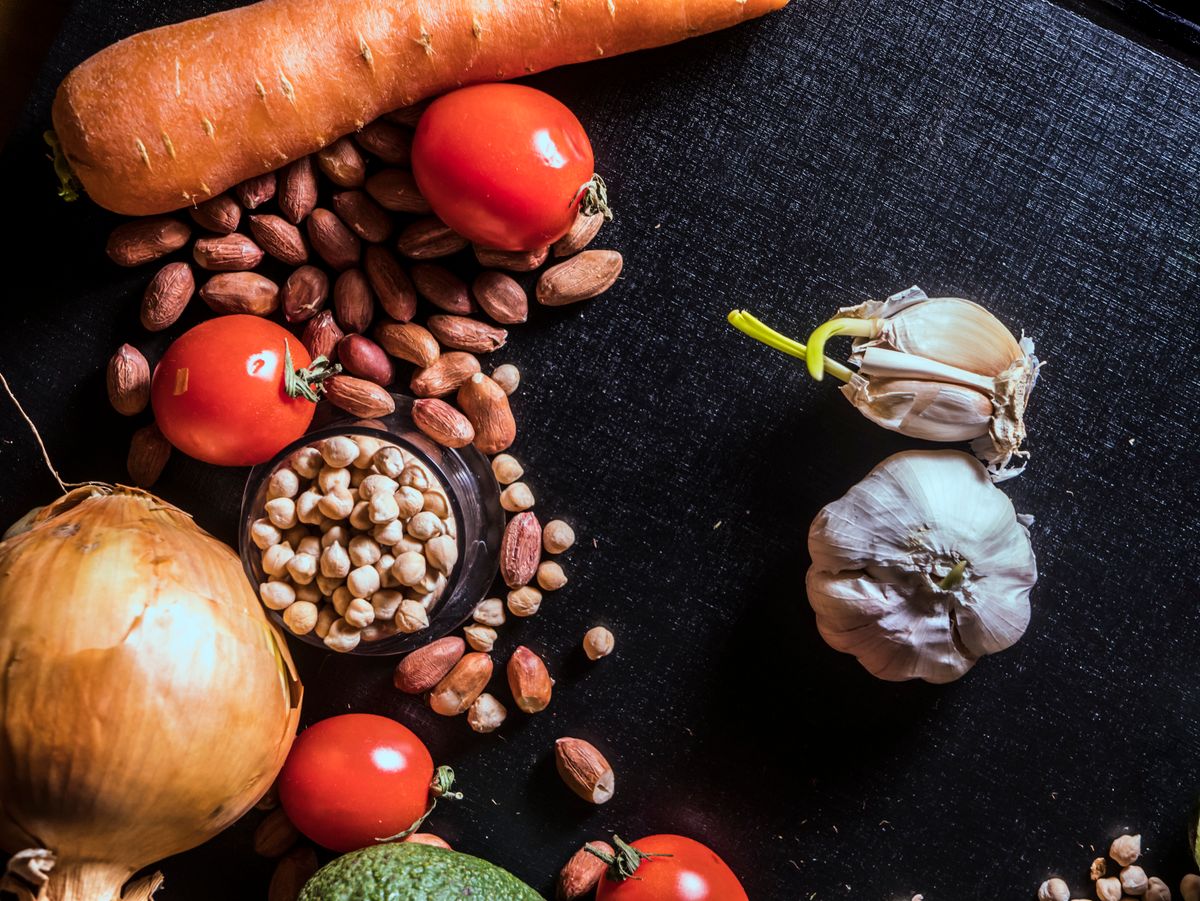
- Legumes several times a week. Lentils, chickpeas, beans. This is the part most people skip, and it may be the most important.
- Wholegrains rather than refined. Barley, bulgur, farro, wholegrain bread.
- Olive oil as the main fat. Extra virgin, and used generously — this is not a low-fat diet.
- Fish twice a week, especially oily fish: sardines, mackerel, salmon.
- Nuts daily, a small handful.
- Fruit as the default dessert.
- Poultry, eggs and dairy in moderation; red meat rarely; processed meat almost never.
The parts everyone forgets
Two elements are almost always left out of the magazine version, and both may be doing real work.
- It is largely a plant-based diet with animal foods as accents. The meat is a flavouring, not the centre.
- It is a social pattern, not just a food list. Meals eaten slowly, with other people, cooked at home. That is not a romantic flourish — eating slowly and eating socially both plausibly affect how much you eat and how you feel afterwards.
A realistic week
- Breakfast: Greek yoghurt, berries, walnuts. Or wholegrain toast with olive oil and tomato.
- Lunch: a big bowl of leftover grains, tinned chickpeas, cucumber, feta, lemon and a heavy pour of olive oil.
- Dinner (x2): a legume-based stew — lentil, chickpea, white bean — with bread.
- Dinner (x2): oily fish, roasted vegetables, potatoes or barley.
- Dinner (x2): a vegetable-heavy pasta, with more vegetables than pasta.
- Dinner (x1): chicken or, occasionally, red meat.
- Snacks: fruit, nuts, olives.
On the wine
The traditional pattern includes a small amount of red wine with meals, and this is the part people latch onto. It is worth being honest: the evidence that moderate drinking is protective has weakened considerably in recent years, and current health guidance in several countries leans towards "less is better." The rest of this diet stands on its own merits. If you don't drink, don't start on nutritional grounds.
Why it works when other diets don't
It has no forbidden foods, no counting, no phases, and it tastes like something you would want to eat for the next forty years. Adherence is the single strongest predictor of whether any diet does anything at all — and this one is unusually easy to adhere to.
Get one tip like this every Thursday.
Free. Evidence-based. Three minutes to read.