Everyday Eating
How to Eat Well on a Tight Budget: The Real Numbers
The cheapest healthy foods in the shop are the same ones nutritionists rank highest. That's not a coincidence — it's an accident of what sells.
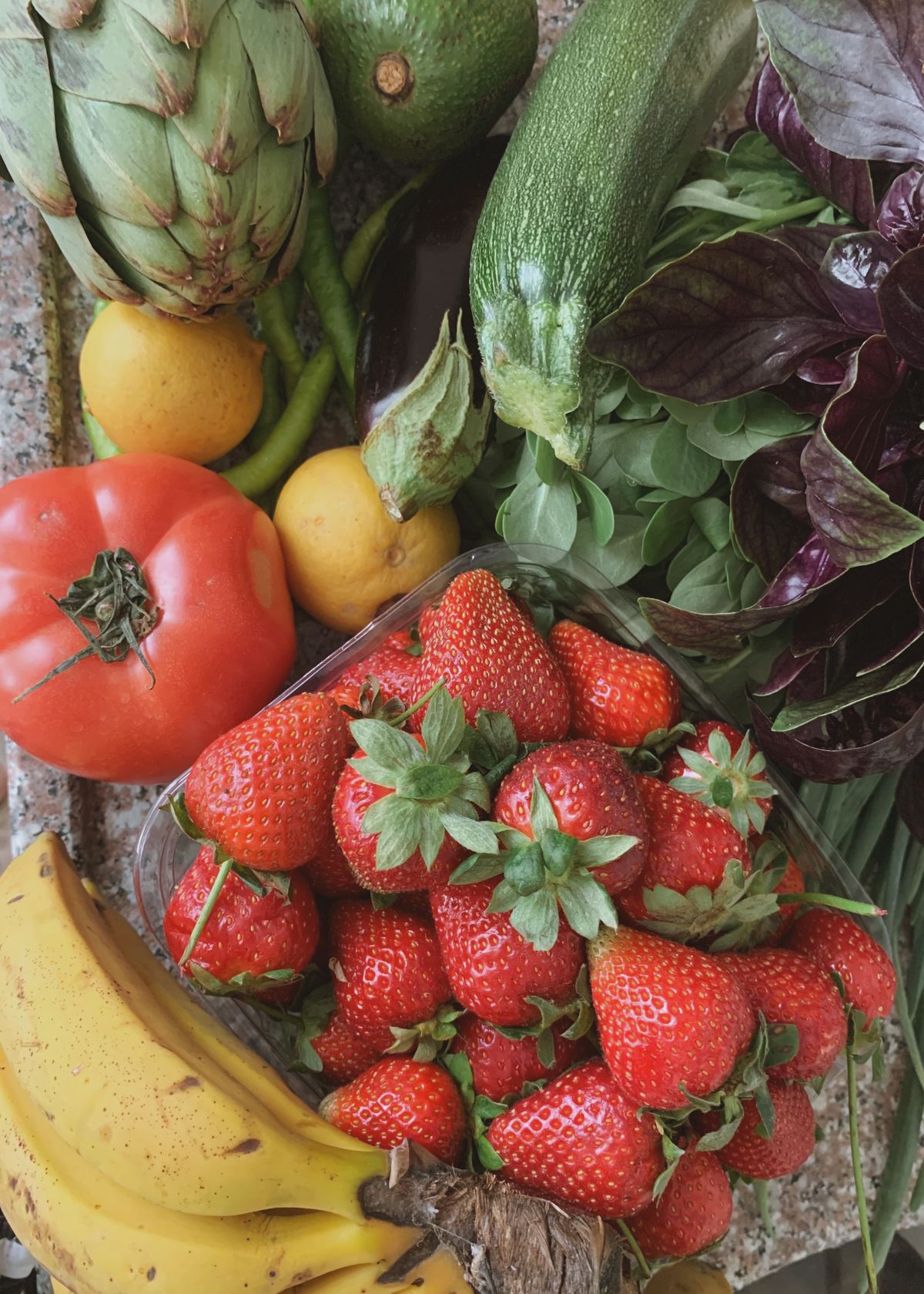
The idea that healthy eating is expensive is half true. Health foods are expensive — the supplements, the powders, the cold-pressed things in glass bottles with a story on the label. Healthy food is not. Some of the most nutrient-dense items in a supermarket sit in the cheapest aisle, ignored, because nobody has an advertising budget for a bag of lentils.
The best value foods in the shop
- Dried lentils and beans. Enormous fibre and protein, pennies per serving. Tinned costs more and is still cheap.
- Eggs. Still one of the best protein-per-cost ratios available.
- Oats. Cheapest breakfast in existence and one of the best.
- Frozen vegetables. Frozen at peak ripeness, often more nutritious than the fresh ones that spent a week in transit. Half the price and zero waste.
- Frozen berries. A fraction of fresh, identical nutrition.
- Tinned fish. Sardines and mackerel deliver omega-3s at a small fraction of the cost of fresh salmon.
- Cabbage, carrots, onions. Cheap, keep for weeks, go in everything.
- Peanut butter (the kind whose ingredients are peanuts).
- Bananas, apples, oranges. Consistently the cheapest fruit per kilo.
The rules that save the most
- Plan seven dinners before you shop. Write them down. Buy for them. This single habit cuts both spend and waste dramatically.
- Never shop hungry. It sounds like a cliché; it is a well-documented effect on what ends up in the trolley.
- Check the unit price, not the shelf price. The small print showing the cost per 100 g is the most useful information in the entire shop and almost nobody reads it.
- Buy the store brand. For staples — flour, oats, tinned tomatoes, frozen peas — it is frequently produced in the same factory.
- Cook once, eat twice. Deliberately double the recipe. The second meal costs you nothing but ingredients.
A week of dinners built from cheap staples
- Mon: Lentil bolognese over pasta (half mince, half lentils — cheaper and higher in fibre).
- Tue: Chickpea and spinach curry with rice.
- Wed: Frittata with whatever vegetables are dying, plus a bag salad.
- Thu: Baked potatoes with tinned beans and cheese.
- Fri: Sardines on toast with lemon and chilli, and a big pile of frozen peas.
- Sat: Vegetable and bean soup made from every leftover in the fridge, plus bread.
- Sun: A roast chicken. Then stock from the carcass, which becomes Monday's soup.
What to stop buying
Pre-chopped vegetables. Single-serve yoghurt pots. Bottled smoothies. "Protein" snack bars. Bottled water. Anything whose main selling point is that it has been sliced. None of these will improve your health, and together they can quietly consume a large fraction of the food budget.
Get one tip like this every Thursday.
Free. Evidence-based. Three minutes to read.